About Permaculture
Designing with Nature
Permaculture is a practical and beautiful way of growing food, restoring soil, conserving water and creating living systems that become more abundant with time. Agriculture and Ecology come together to make Permaculture.
A Natural Way to Create Abundance
Nature already knows how to create abundance. A forest does not need chemical fertilisers, constant watering or human management to remain alive and productive. It builds soil, stores water, supports birds and insects, cycles nutrients and renews itself season after season.
Permaculture observes these natural patterns and applies them consciously to the way we grow food, manage land, harvest water, build homes and live our daily lives.
What Exactly is Permaculture?
The word “permaculture” comes from “permanent agriculture” and “permanent culture”. At its heart, permaculture asks a simple but powerful question:
How can we create systems that are naturally productive, self-sustaining and life-supporting?
A permaculture garden or farm is designed like an ecosystem. Trees give shade, hold soil and provide fruit. Ground covers protect the earth. Compost returns nutrients. Rainwater is harvested and stored. Birds, bees, earthworms and beneficial insects are welcomed as partners. Carbon in the air is pollution, in the soil it becomes a solution.
The Three Ethics of Permaculture
Earth Care
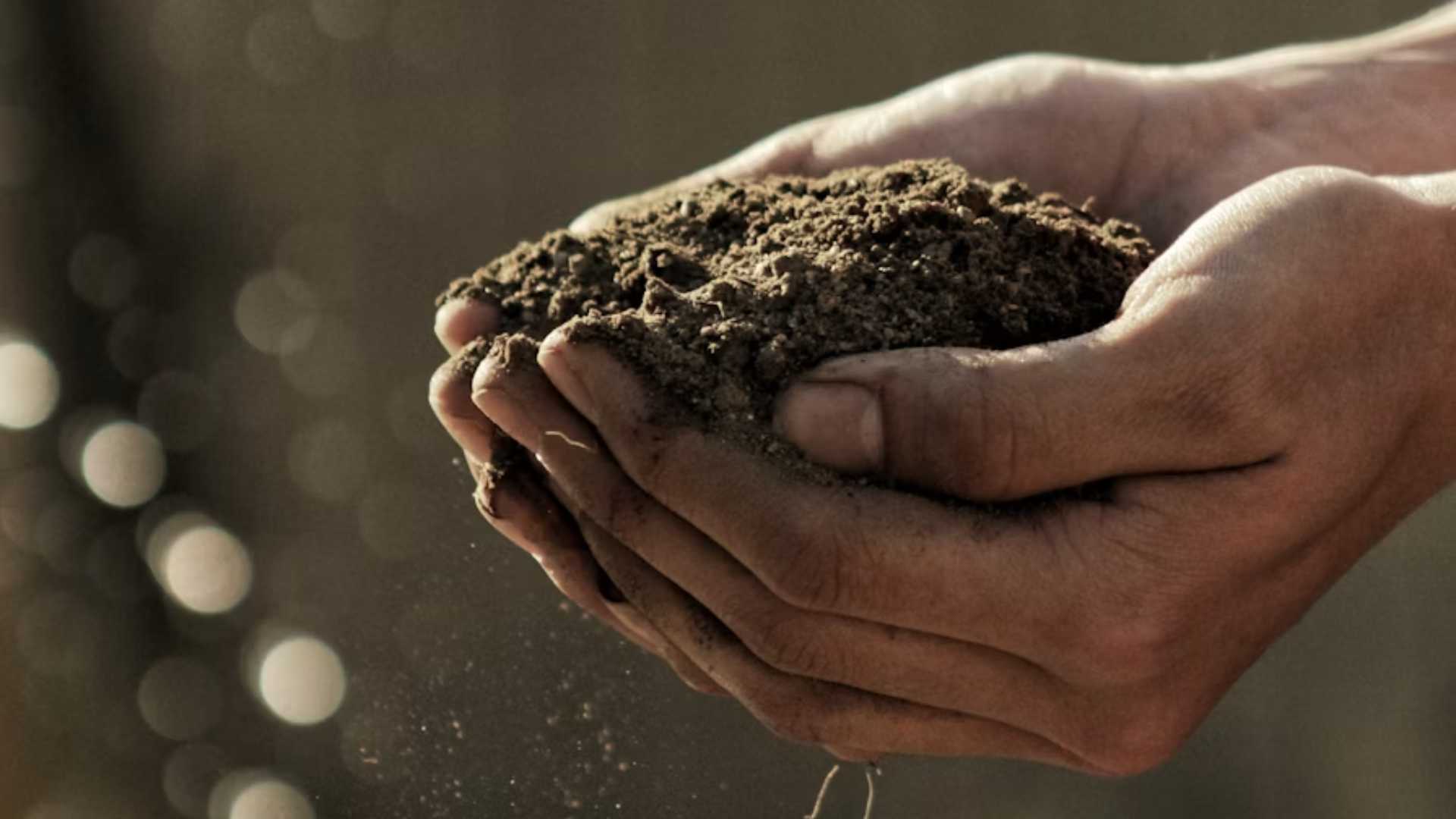
The earth is not a resource to be exploited, but a living system to be respected. Permaculture begins with restoring soil, conserving water and protecting biodiversity.
People Care
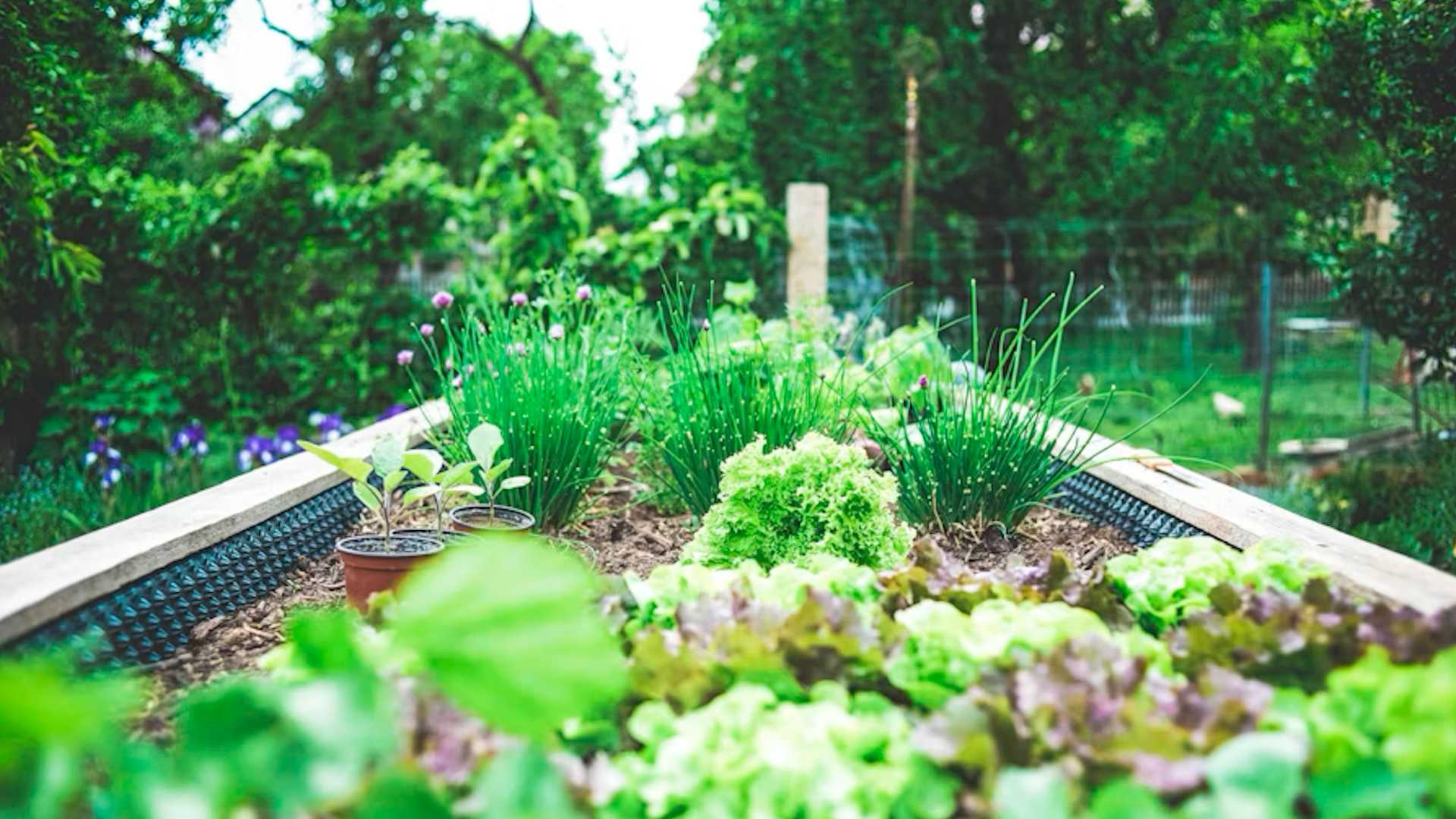
A sustainable system must also support human wellbeing through healthy food, meaningful work, skill-sharing, community resilience and a nourishing lifestyle.

Fair Share
Nature is abundant, but not wasteful. Permaculture teaches us to take what we require, avoid excess, return the surplus and share resources with our wider communities.
Design Begins With Observation
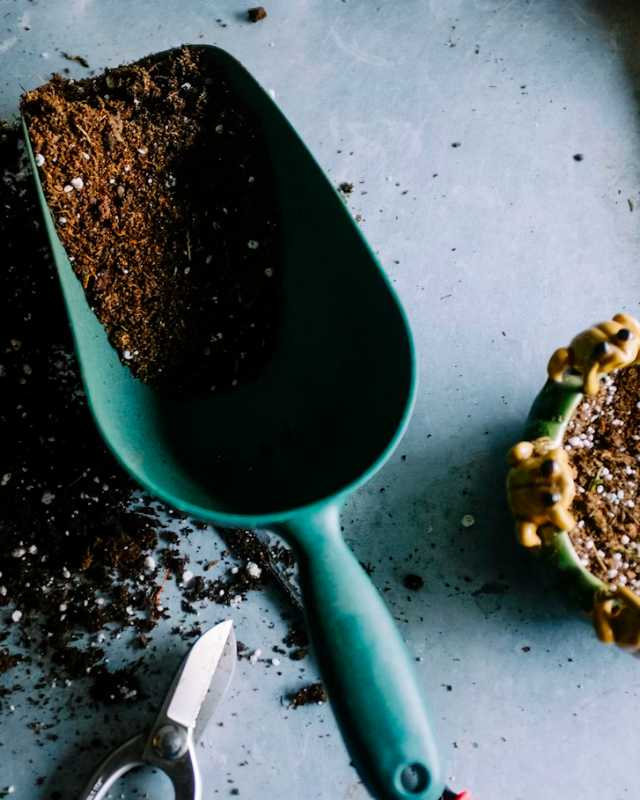
Permaculture design begins by carefully observing the land. Where does the sunlight fall? How does water move? Which areas are dry, wet, windy or shaded? What already grows well? Which birds, insects and animals visit the space?
This observation allows us to design intelligently. The goal is to place every element where it can do the most good with the least effort. Good design reduces waste, saves energy and allows nature to do more of the work.
More Than Organic Gardening
Organic gardening avoids harmful chemicals. Permaculture goes further. It looks at the entire system and asks how it can become healthier, more diverse and more self-sustaining over time.
Soil Building
Composting, mulching and natural soil regeneration help bring life back to the earth.

Water Harvesting
Rainwater can be slowed, stored and used wisely instead of being lost as runoff.

Food Forests
Layered planting creates abundance through trees, herbs, shrubs, climbers and ground covers.

Biodiversity
Birds, bees, butterflies, earthworms and beneficial insects become part of the design.

Natural Balance
Instead of fighting nature, permaculture creates conditions where life supports life.

Long-Term Abundance
A well-designed system becomes stronger, more productive and more resilient with time.
Abundance Through Cooperation
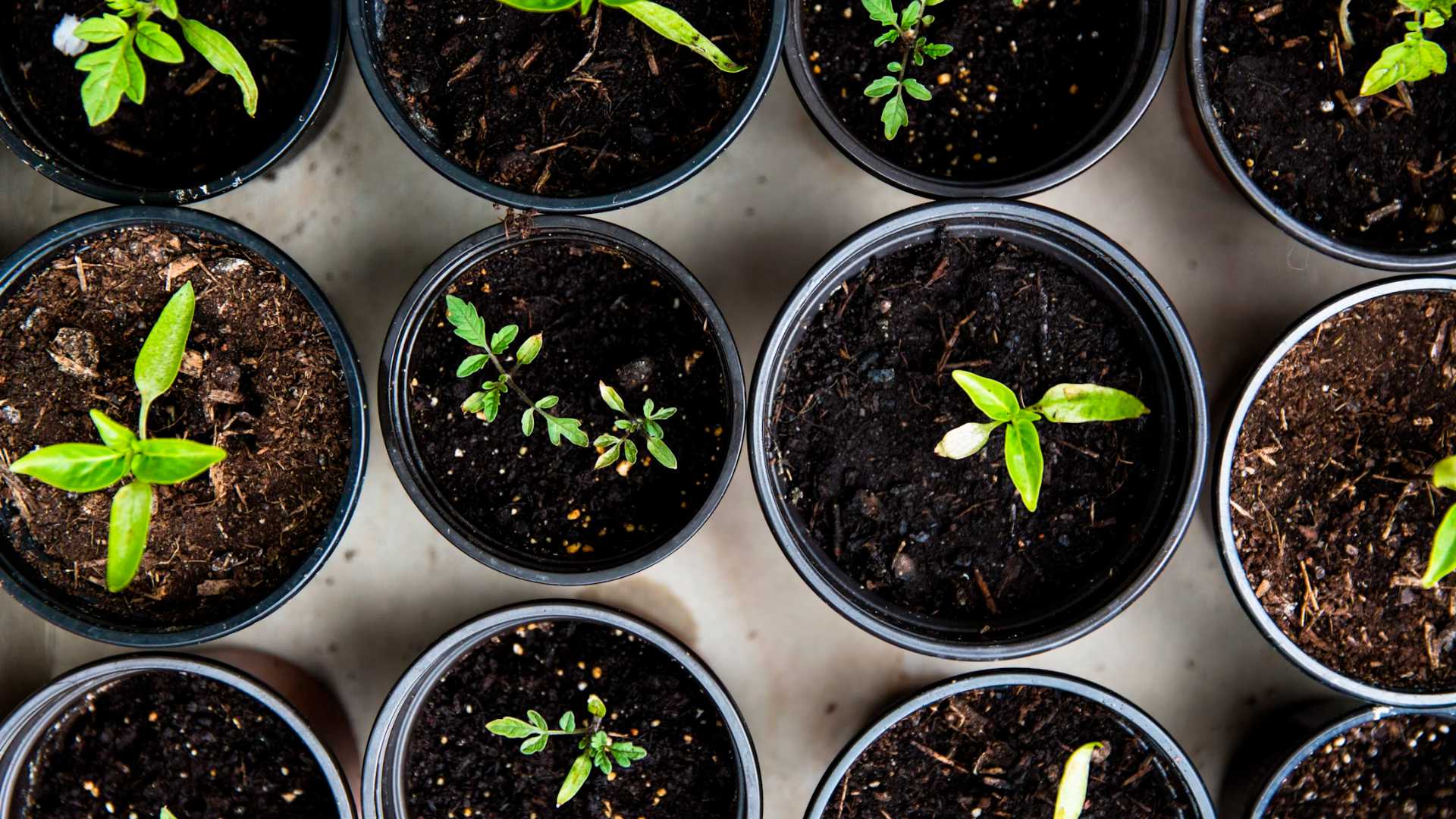
A food forest imitates a natural forest, but uses plants that provide food, medicine, shade, beauty and habitat. Tall trees, smaller fruit trees, shrubs, herbs, climbers, root crops and ground covers grow together in supportive layers.
As the system matures, leaves become mulch, roots hold the soil, shade reduces evaporation, pollinators increase fruiting and diversity reduces pest problems.
Practical Solutions at Every Scale
The world is facing serious challenges: climate change, water scarcity, soil depletion, loss of biodiversity, rising food insecurity and increasing disconnection from nature.
Permaculture reminds us that we are not helpless. A balcony can grow herbs. A home garden can compost kitchen waste. A school can become a living classroom. A farm can regenerate degraded land. A community can become more food-secure and climate-resilient.
Outer Ecology, Inner Awareness
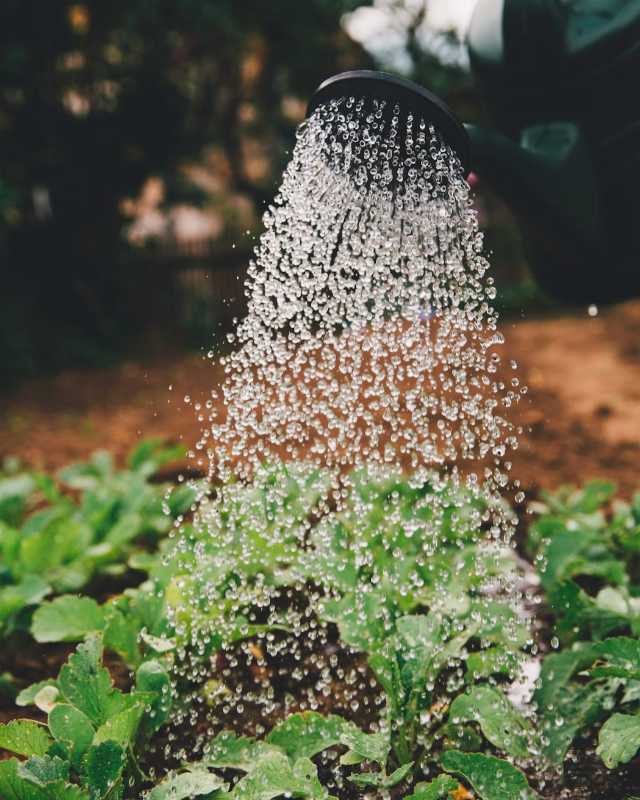
Permaculture is not only about outer ecology. It also invites a shift in consciousness. When we observe nature deeply, we begin to see patience, rhythm, interdependence and intelligence everywhere.
We become more mindful of what we consume, what we waste, what we grow, what we eat and how we relate to the world around us. Permaculture helps us move from control to cooperation, from extraction to regeneration, from separation to connection.
A Natural Extension of Our Vision
At the Art of Living, permaculture is a natural extension of our vision for a stress-free, violence-free and sustainable world.
It brings together ancient wisdom and modern ecological design. It honours the earth while empowering people with practical skills. It shows us how to grow food, conserve water, regenerate soil, restore biodiversity and create spaces that nourish life.
Through permaculture, sustainability is not a burden. It becomes beautiful, joyful and deeply fulfilling.
Learn How to Design Living Systems
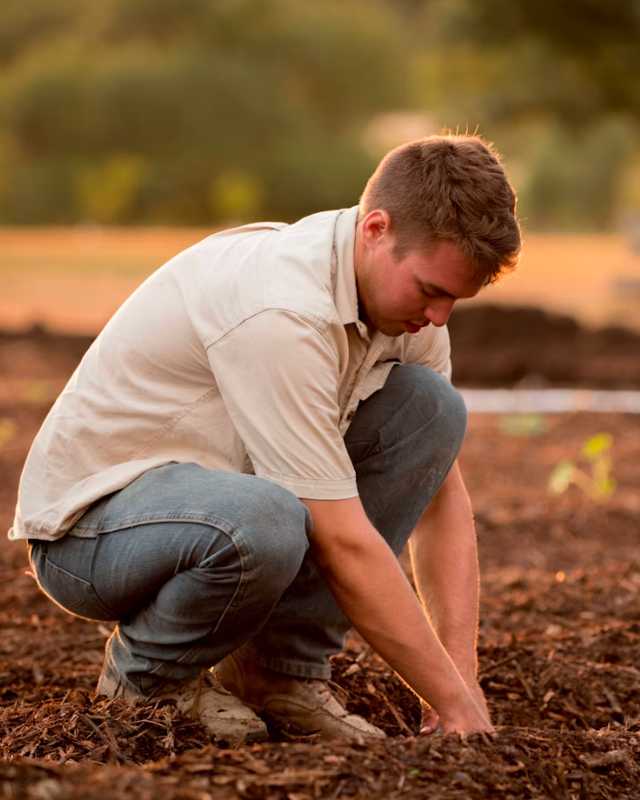
Whether you are a gardener, farmer, homeowner, educator, environmentalist or simply someone who loves nature, our permaculture courses will help you understand how to work with the land in a practical, regenerative and joyful way.
Learn how to read the landscape, build soil, harvest water, grow food, design food forests and create spaces that support both people and the planet.
The Future Can be Regenerated
Permaculture gives us hope because it is practical. It does not ask us to wait for someone else to solve the problems of the world. It invites us to begin where we are, with what we have.
A handful of soil can be regenerated
Some rainwater can be harvested
A few plants become a garden
A garden is not too far from a food forest
A food forest can inspire an entire community
Permaculture is the art of creating abundance through awareness. It teaches us to design with nature, care for the earth, nourish people and build a future that is resilient, beautiful and alive.
Visit Us
Art of Living Permaculture
Art of Living International Ashram
21st Km., Kanakapura Road,
Udayapura,
Bangalore, 560082
Call Us
+91-97391 19591
Email Us
info@aolpermaculture.in